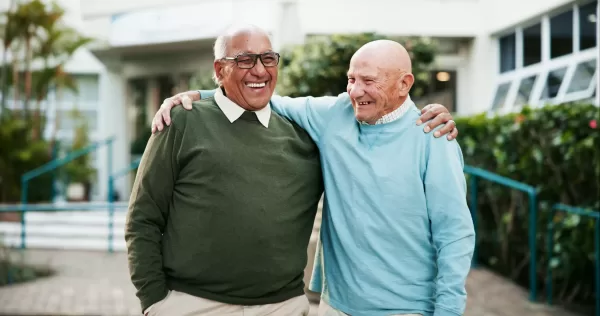
When I think about social connections in retirement, I am struck by how much they support emotional health. Retirement can be a time of great freedom, but it also comes with challenges: health changes, the loss of friends, and the adjustment to a slower pace. Having people to lean on makes those challenges less daunting.
I remember visiting my grandfather at his senior community and noticing how often he laughed with his neighbors. They would sit together for coffee in the morning, share meals, and watch sports in the common room. Even as his health declined, those friendships gave him joy. That memory reinforces my belief that social ties are not just nice extras but essential ingredients in a good retirement.
Building and Nurturing Connections
Maintaining connections later in life requires intentionality. It is easy to assume that friendships will just happen, but in retirement, the usual routines that created relationships are gone. New ones have to be built. Joining local clubs, attending community events, and volunteering are all good starting points. But I also think small gestures matter. Calling an old friend, inviting a neighbor over for tea, or simply smiling at people in the grocery store can lead to meaningful interactions.
It is also important to nurture existing relationships. Retirement gives more time to check in with family and friends. Writing letters, sending thoughtful messages, or planning visits helps keep bonds strong. What strikes me is how these efforts are less about grand gestures and more about consistency. Showing up regularly in someone’s life creates trust and connection that lasts.
My Own Perspective
As someone who is not yet retired, I sometimes wonder how I will handle this part of life. I know myself well enough to realize I need both solitude and connection. Too much time alone leaves me restless, while too much social activity drains me. The balance will matter. What I take from learning about this topic is that retirement gives me the freedom to design that balance intentionally. I want to carry friendships from earlier in life, but I also want to be open to new ones.
Thinking about it now helps me understand why people say retirement is not just about finances. Preparing socially and emotionally is just as important. If I can make it a habit to nurture relationships today, I will likely carry that strength into my later years.
Closing Thoughts
Maintaining social connections in later years is one of the most powerful ways to protect both health and happiness. Retirement strips away the automatic connections of work life, but it offers the chance to build new ones with more intention. Through community, technology, and small daily efforts, retirees can create a web of relationships that supports them through both the joys and challenges of aging.
What stands out most to me is that connection is about more than avoiding loneliness. It is about continuing to grow, to share, and to feel part of something larger. In the end, financial planning builds stability, but social planning builds meaning. Both are essential for a retirement that feels truly rich.
Post Comment