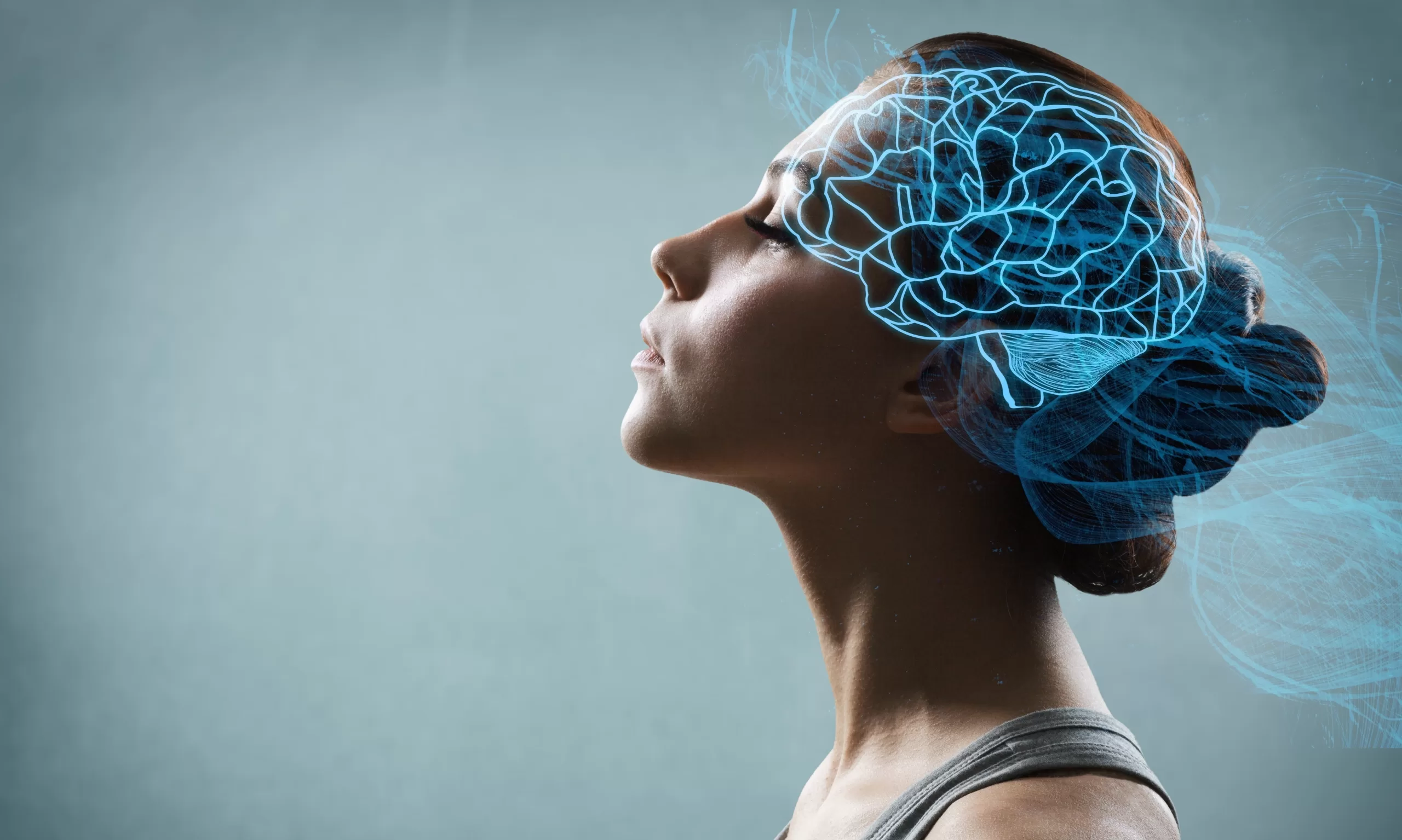
Most people spend their lives thinking about how much money they need for retirement. They track savings, calculate expenses, and try to imagine what life will look like when work is no longer the center of their day. But there is another part of planning for the future that is just as important and often overlooked. You need a plan for your mind. Cognitive health affects every part of retirement, from independence and daily function to confidence and overall quality of life. The truth is that mental sharpness is not something that just happens on its own. It is something you build intentionally.
Retirement can offer more freedom and flexibility than any other stage of life. That freedom can be a gift for your brain, or it can create long periods of inactivity that slowly weaken focus, memory, and problem solving. Research consistently shows that people who stay mentally active age better than those who drift into passive routines. The good news is that you can take real steps to support your brain through daily habits, lifestyle choices, and meaningful engagement with the world around you. This is not about escaping aging. It is about preparing for it with intention.
Why Brain Health Is Something You Need to Plan For
Cognitive decline can happen gradually, and people often do not recognize the early signs. Forgetting names, losing track of tasks, and feeling mentally sluggish can feel like normal aging, but researchers warn that these early shifts can eventually grow into more serious issues. According to the National Institute on Aging, one in three older adults will experience some degree of cognitive impairment. That statistic alone makes brain health planning a core part of retirement.
At the same time, experts also note that the brain is far more adaptable than once believed. Neuroplasticity, which is the brain’s ability to form new connections and reorganize itself, continues well into older age. In practical terms, this means that your brain can grow stronger when you challenge it and weaken when you do not. Retirement gives you more time, which means you can create routines that support strong, healthy cognitive function for years to come.
This is not just science. It is about real life. When your brain is sharp, you have an easier time navigating finances, staying socially connected, and living independently. You feel more confident making decisions, learning new skills, and adjusting to change. All of these things matter, especially as people live longer lives.
How Daily Habits Shape Your Cognitive Future
Brain health is not one big decision. It is the result of hundreds of small choices that build on each other over time. The habits that research consistently identifies as protective are simple, but they add up.
Stay mentally active
Your brain thrives on novelty and challenge. Studies from Harvard Health show that tasks requiring concentration and new learning support memory and slow cognitive decline. This does not mean you need to master advanced calculus. Even everyday activities like puzzles, strategy games, or learning a new language have measurable benefits. The key is to do things that feel slightly challenging.
Physical activity supports mental clarity
Exercise increases blood flow to the brain, reduces inflammation, and stimulates the growth of new neural connections. The Mayo Clinic notes that regular physical activity reduces the risk of cognitive impairment. Walking counts. Yoga counts. Light strength training counts. You do not need extreme workouts to see real impact.
Nutrition shapes brain health
Your brain relies on steady fuel. Diets rich in vegetables, fruits, lean proteins, and healthy fats support mental function. The MIND diet, developed by researchers at Rush University Medical Center, has been linked directly to lower rates of cognitive decline. It emphasizes leafy greens, berries, whole grains, and fish. It also limits processed foods that can contribute to inflammation.
Sleep repairs the brain
Sleep is not just rest. While you sleep, your brain clears toxins, organizes memories, and restores its ability to process information. According to the Sleep Foundation, poor sleep is strongly linked to memory problems and slower thinking. Adults need around seven to eight hours a night to maintain strong cognitive health.
Manage stress intentionally
Chronic stress can shrink parts of the brain responsible for memory and decision making. Retirement brings new forms of stress, including financial adjustments, identity shifts, and caregiving roles. Mindfulness, deep breathing, nature walks, and consistent routines all help lower stress levels in ways that protect long term brain function.
Social Connection and Why It Matters More Than People Realize
Loneliness is one of the biggest threats to cognitive health in retirement. The Centers for Disease Control and Prevention reports that social isolation is associated with a significantly higher risk of dementia. Humans are wired for connection, and your brain reacts positively when you interact with others. Conversations require memory, processing, emotion, and social awareness, which all stimulate different parts of the brain.
Retirement changes built in social structures. You no longer talk to coworkers daily. The rhythm of work life disappears. This makes it easy to drift into isolation without noticing. Planning for your social life is just as important as planning your finances. Joining community groups, volunteering, reconnecting with old friends, or even participating in group exercise can create healthy patterns of engagement.
For some people, this means intentionally scheduling social time so the week does not pass in silence. For others, it may involve seeking new environments where they can meet people who share their interests. The specific approach does not matter as much as taking the step to stay connected.
Purpose and Routine Keep Your Mind Engaged
A sense of purpose is one of the strongest predictors of healthy aging. When you feel useful, motivated, or connected to something larger than yourself, your brain benefits. Research from the Journal of the American Medical Association found that having a purpose in life is linked to a reduced risk of Alzheimer’s disease.
Purpose does not have to mean high pressure goals. It can be a hobby, family role, community project, or personal passion. Many retirees find purpose in mentoring, tutoring, or sharing skills they spent years developing. Others explore creative passions like writing, art, music, or gardening. Purpose is personal, but its impact is universal.
Routine is also important. Without the structure of work, days can blend together. Routine helps anchor your mind, reduces stress, and creates clarity. Even a loose schedule with regular times for meals, exercise, hobbies, and rest gives your brain a predictable pattern that supports mental stability.
Technology as a Tool, Not a Distraction
Technology can be a powerful tool for cognitive health, as long as it supports active engagement instead of passive scrolling. There are apps designed to improve memory, language skills, and problem solving. Even video calls can reduce loneliness and keep people connected when distance makes it difficult.
Streaming documentaries, online courses, and digital art programs can expose you to new information and new challenges. The key is to use technology as a way to engage the brain rather than escape from boredom. Passive consumption does little to strengthen cognitive abilities. Active participation does.
Early Signs That You Need to Take Brain Health More Seriously
Being aware of early warning signs helps you respond before problems grow. Some signs that you should address your cognitive health include:
• difficulty concentrating
• feeling mentally slower than usual
• increased forgetfulness
• trouble finding words
• losing track of time or tasks
• becoming more easily overwhelmed
• struggles with decision making
These signs do not always indicate serious decline, but they do signal that you should make brain health a priority. Talking to a doctor early can also help identify medical issues that may be contributing to cognitive changes.
The Role of Health Care and Screenings
Your brain is connected to your overall health. High blood pressure, diabetes, obesity, and cardiovascular problems can all impact cognitive function. Staying on top of regular medical checkups is a key part of protecting your brain. Early treatment of physical conditions has a direct impact on how well your brain performs over time.
Cognitive screenings can also be helpful. These are short tests that measure memory, attention, and problem solving. They provide a baseline so you can track changes over time. Most primary care doctors can administer them or refer you to a specialist if needed.
How to Build a Personal Brain Health Plan
A strong brain health plan includes daily habits, long term goals, and clear steps to support your mind. You can create your own plan by answering a few simple questions.
• How will you challenge your brain weekly
• What hobbies or activities do you want to explore
• How will you build physical movement into your routine
• What meals can you incorporate that support brain health
• How will you maintain social connections
• How will you manage stress and support emotional well being
• How will you create structure in your day
Writing these answers down makes them real. It also helps you identify which habits you need to adjust.
Retirement Can Be a Second Chance for Your Mind
The idea of retirement has changed. It is not just a quiet ending. It is a long stage of life that can bring growth, curiosity, and new possibilities. You can give your brain the same attention you give your retirement savings. Both require planning, consistency, and commitment.
By staying active, socially connected, purposeful, and physically healthy, you give your brain the tools it needs to stay sharp. The decisions you make today shape the clarity and confidence you will have tomorrow. Strong cognitive health helps you enjoy retirement with energy, independence, and a sense of possibility.
Retirement can be the time when your mind thrives the most. You just have to set it up that way.
Sources
National Institute on Aging. “Cognitive Health and Older Adults.”
https://www.nia.nih.gov/health/cognitive-health-and-older-adults
Harvard Health. “How to Keep Your Brain Healthy.”
https://www.health.harvard.edu/mind-and-mood/how-to-keep-your-brain-healthy
Mayo Clinic. “Exercise and Stress: Get Moving to Manage Stress.”
https://www.mayoclinic.org/healthy-lifestyle/stress-management/in-depth/exercise-and-stress/art-20044469
Rush University Medical Center. “The MIND Diet and Cognitive Decline.”
https://www.rush.edu/news/mind-diet-may-cut-alzheimers-risk
Centers for Disease Control and Prevention. “Loneliness and Social Isolation Linked to Serious Health Conditions.”
https://www.cdc.gov/aging/publications/features/lonely-older-adults.html
Sleep Foundation. “Sleep and Cognitive Function.”
https://www.sleepfoundation.org/how-sleep-works/sleep-and-memory
Journal of the American Medical Association. “Purpose in Life and Reduced Risk of Alzheimer Disease.”
https://jamanetwork.com/journals/jamaneurology/fullarticle/791258





Post Comment